Motion2MixamoRig: free, open-source video-to-animation for Mixamo rigs, now inside Blender
From the OpenDrama Create Wiki
Motion2MixamoRig (MaxLiu22 on GitHub) copies the motion of a person in a video onto any Mixamo-rigged character and hands you a skinned GLB for Blender or Unity. Stefan Vaskevich (@Stefan_3D_AI) shared the demo of its new Blender panel. For a solo game dev, it's the shortest road from "I filmed it" to "my character does it".
Members read on
The rest of this page is for members
- 4 more steps
- 4 more sections
Create a free account, top up once — from $0.99 — and the whole wiki is yours.
- Every breakdown, Skill and Prompt
- New pages every day
- Prompts copy in one tap
Tags:#Animation#Blender#Rigging#Unity#Game art#Motion capture
Written by the OpenDrama editors from a public post. Stills are quoted from the original video for commentary; tools, settings and steps are our own reconstruction. All rights in the original work stay with its creator — ask us and we take a still down.
Skills and prompts in this breakdown
More in Tools
View all →Gemini 4 Argon in 10 minutes: scores, pricing and five working habits
nicekate's 10-minute video covers Gemini 4 Argon's scores, pricing, demos and the five tips from Google's developer guide. We keep what matters to creators: what it costs, where it isn't first, and how the five tips apply to making games.
One prompt, one skill: Anatomy turns image layers into an animated SVG machine
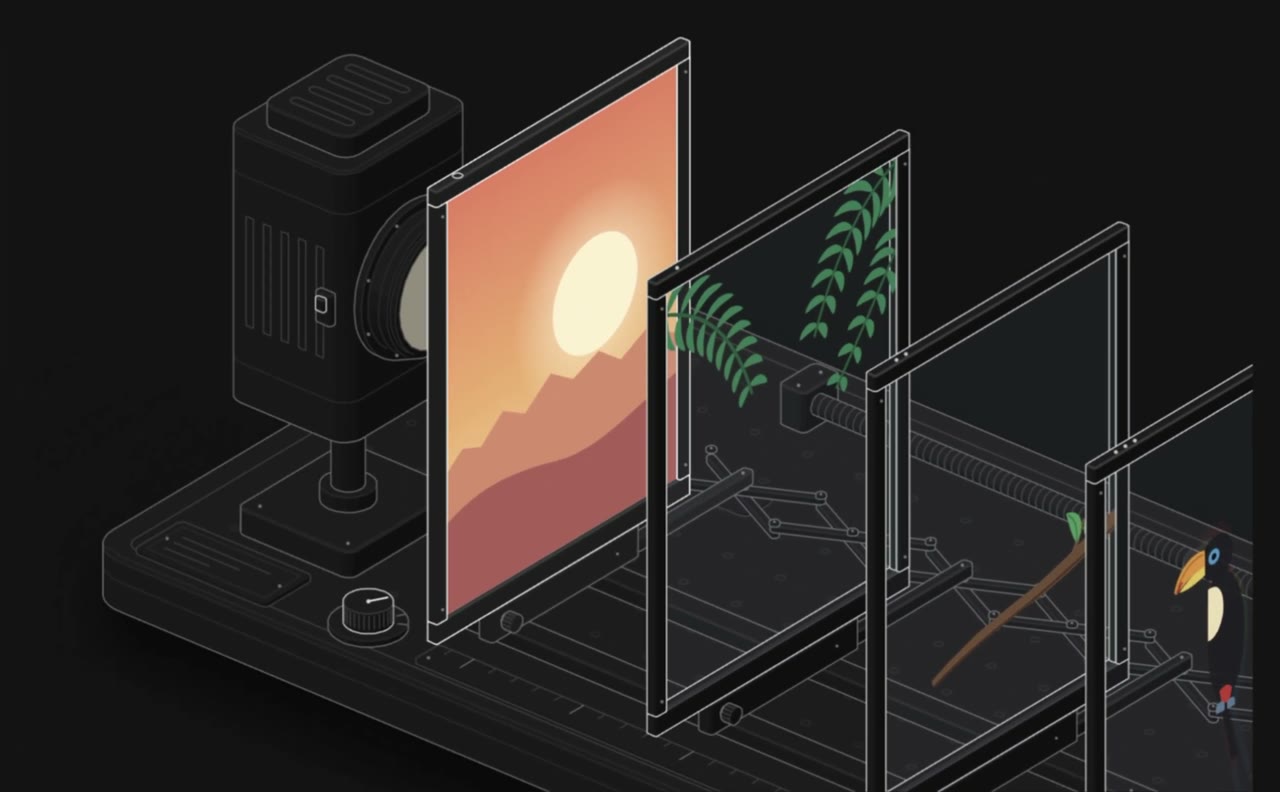
Meng To used the open-source Anatomy skill to turn one prompt into an animated SVG explainer of Seedream's image layers. The prompt, the one follow-up, and how the skill works.
JustOutGames: using a Steam new-release score to research your next game
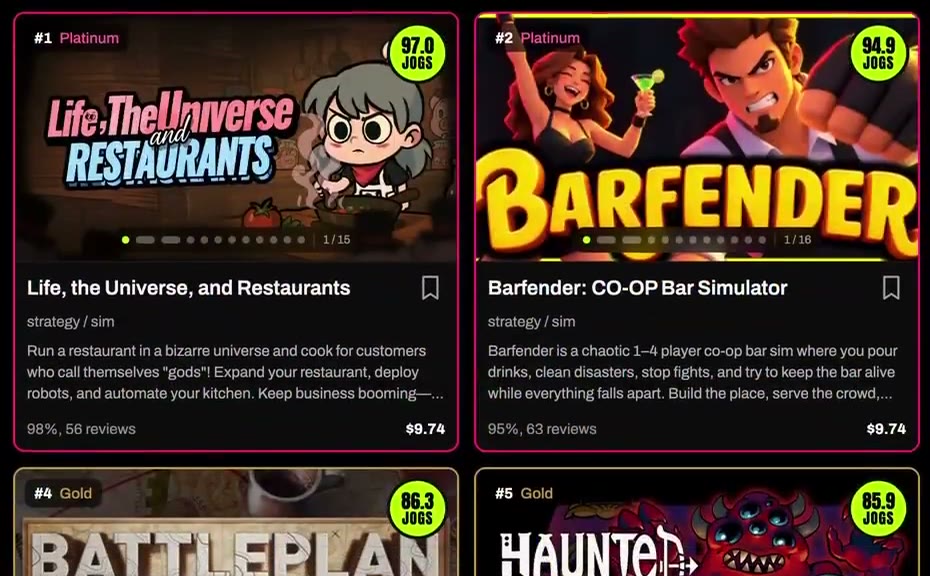
JustOutGames tracks new Steam releases, scores them 0–100 from reviews and player activity, and adds an AI analysis after 48 hours. Here's how a game maker can use it to study launches, pricing and trailers.
Duck.ai for creators: free-tier limits, model choice and where the privacy ends
Duck.ai's free tier has a daily cap that bigger models use up faster and leaves out Sonnet- and Opus-class models; chats aren't stored by default. What its small models can handle in a creative workflow, and where the privacy ends.
Meta's Muse Wonder for creators: reads a whole repo and your footage, writes only text
Muse Wonder takes 1M tokens of code, images, video and audio, and answers in text only. Working from Baoyu's rundown, here's where it fits in a creative pipeline and where it falls short.