Image-to-3D assets: from concept image to game-ready model
From the OpenDrama Create Wiki
Image-to-3D tools such as Tripo, Meshy, Rodin, Hunyuan3D and TRELLIS turn one concept image into a textured mesh in a minute or two. What comes back is a sculpt, not a game asset: a few hundred thousand triangles in one fused shell, UVs cut into hundreds of islands, the concept's lighting painted into the colour, and a scale and pivot that mean nothing to your engine.
This page covers the whole path to a model you can drop into Unity, Godot or Three.js: input image rules, picking candidates, decimation and retopology budgets, UV and texture fixes, scale and pivot, export. Numbers are for web and mobile first, with PC/console figures where they differ.
When to use it
Use it when you need many assets in one style and nobody on the team models: props, set dressing, creatures, stylised characters, vehicles, statues, pickups. With practice, a static prop takes 15–30 minutes from approved concept to in-engine; a character that must be rigged takes 2–4 hours. Most of that is cleanup, not generation.
| Asset | Image-to-3D? | What it still needs |
|---|---|---|
| Small prop (coin, potion, pickup) | Yes | decimation |
| Medium prop (barrel, chest, chair) | Yes | decimation |
| Large prop (cart, statue, tree trunk) | Yes | decimation |
| Character that animates | Yes, with extra work | retopology and a rig |
| Modular walls, floors, stairs | No | model them to the grid |
| Fences, foliage, hair, chains, glass | No | cards, alpha textures or hand modelling |
It is the wrong tool when parts must fit precisely (a kit that snaps to a 1 m grid, mechanical parts), when an object is mostly thin or transparent, and for a hero face in close-up with facial animation. It also won't make a set of assets consistent: that comes from the concept images, so lock the style there first (character consistency).
The biggest lever is the input image. A clean, evenly lit, neutral-pose concept saves more cleanup than any setting in the 3D tool; templates are in the concept-to-3D prompts.
Members read on
The rest of this page is for members
- 12 more steps
- 3 reference tables
- 6 more sections
Create a free account, top up once — from $0.99 — and the whole wiki is yours.
- Every breakdown, Skill and Prompt
- New pages every day
- Prompts copy in one tap
See also
Breakdowns that use this
More in 3D
View all →A little ghost on rainy water: a Three.js cloth shader, designed by GPT 6 Astra, coded by Opus 5.5
Chetan Ankola made a lantern-carrying ghost in the browser: rain, black water, fabric that flutters. GPT 6 Astra did the design, Claude Opus 5.5 wrote the Three.js. We look at the cloth, the light and five small interactions.
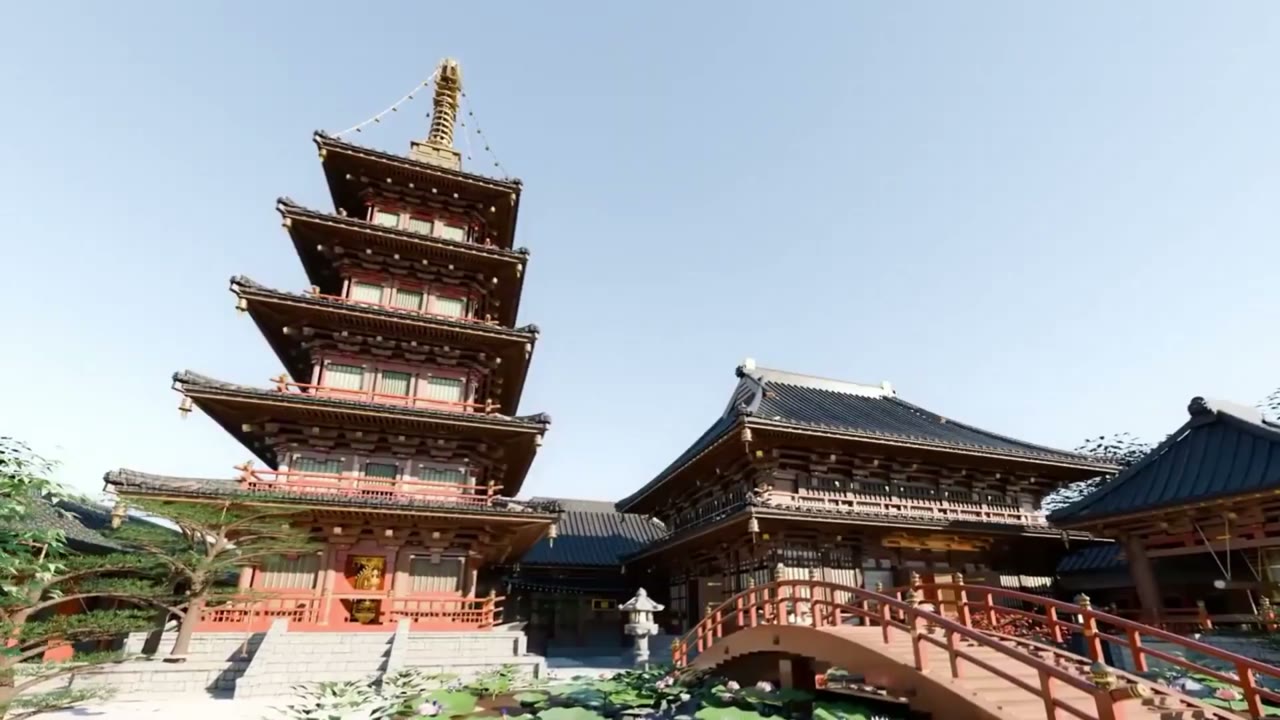
One prompt, four agents and a critic: Gemini 4 Argon builds a Japanese temple in Blender
Gemini 4 Argon in Antigravity built a Japanese temple complex with a five-storey pagoda in Blender from one prompt. We unpack that prompt: a skill doc, blueprints, Nano Banana references, four specialist subagents and a critic.
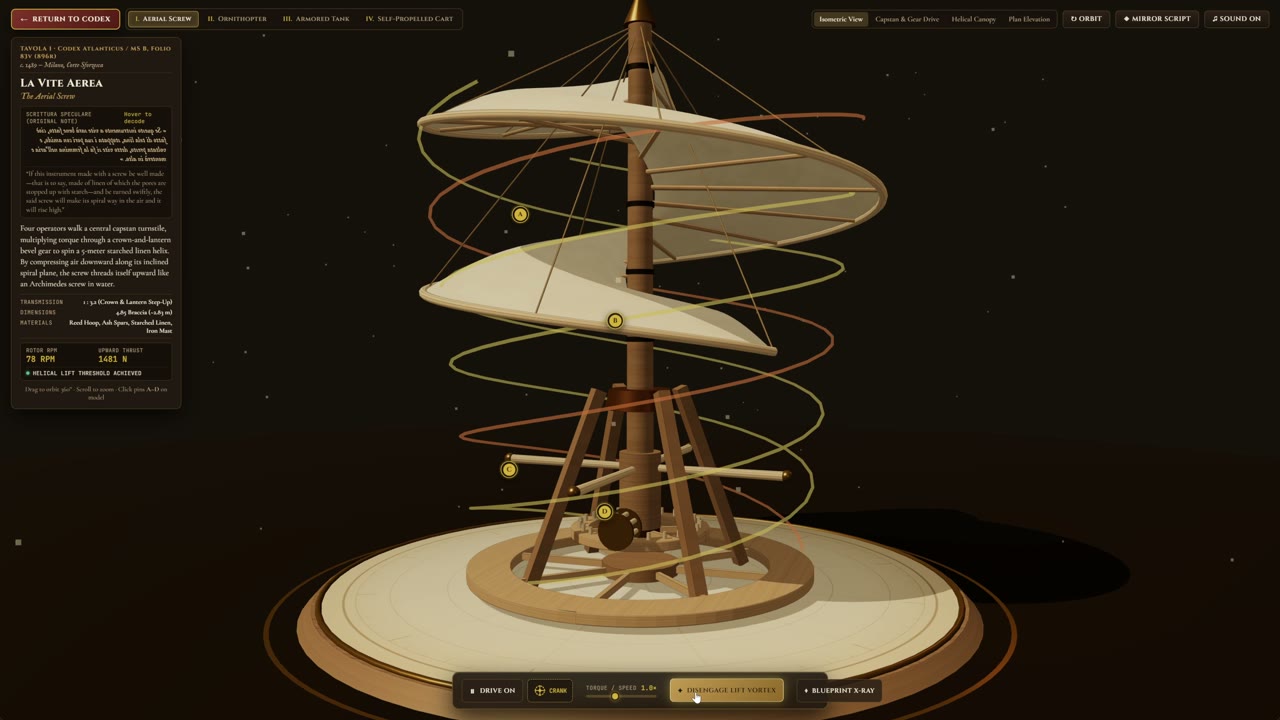
Same prompt, new result: Gemini 4 Argon builds a da Vinci workshop in Antigravity
maxescu re-ran @techhalla's exact Gemini 4 Argon vs Opus 5.5 prompt in Antigravity and got a four-machine da Vinci museum. How the scene is built, and why one run per model proves little.
Blender MCP build rules: a project prompt for agents
A paste-in project prompt for an agent building in Blender over MCP: units, grid, naming, style rules from your references, re-runnable code and a self-check loop with fixed-camera renders, plus companion prompts for drafting rules and running a checker agent.