Aestra: a permadeath pixel RPG built in a weekend, then grown from player feedback
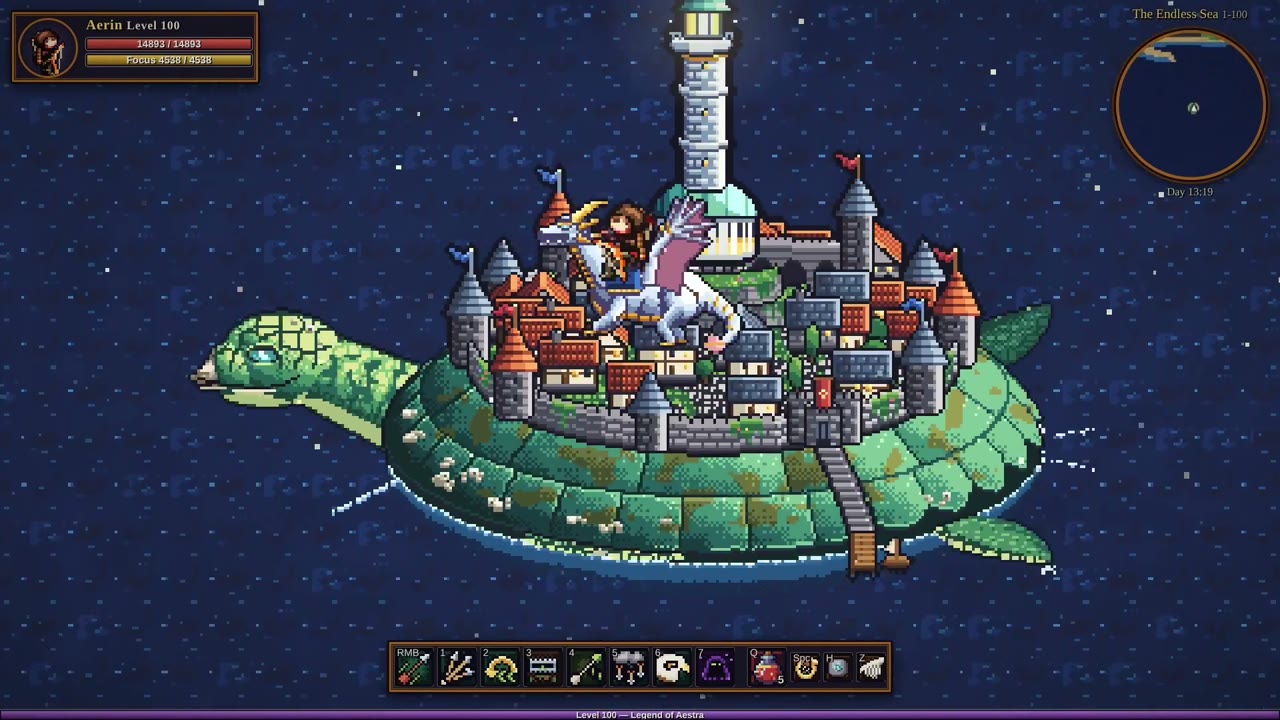
Tesana says Aestra's first build took one weekend. We break down how it makes permanent death harsh without driving players away.
Tag
15 pages tagged “Combat design”.
15 pagesClear filters
Tesana says Aestra's first build took one weekend. We break down how it makes permanent death harsh without driving players away.
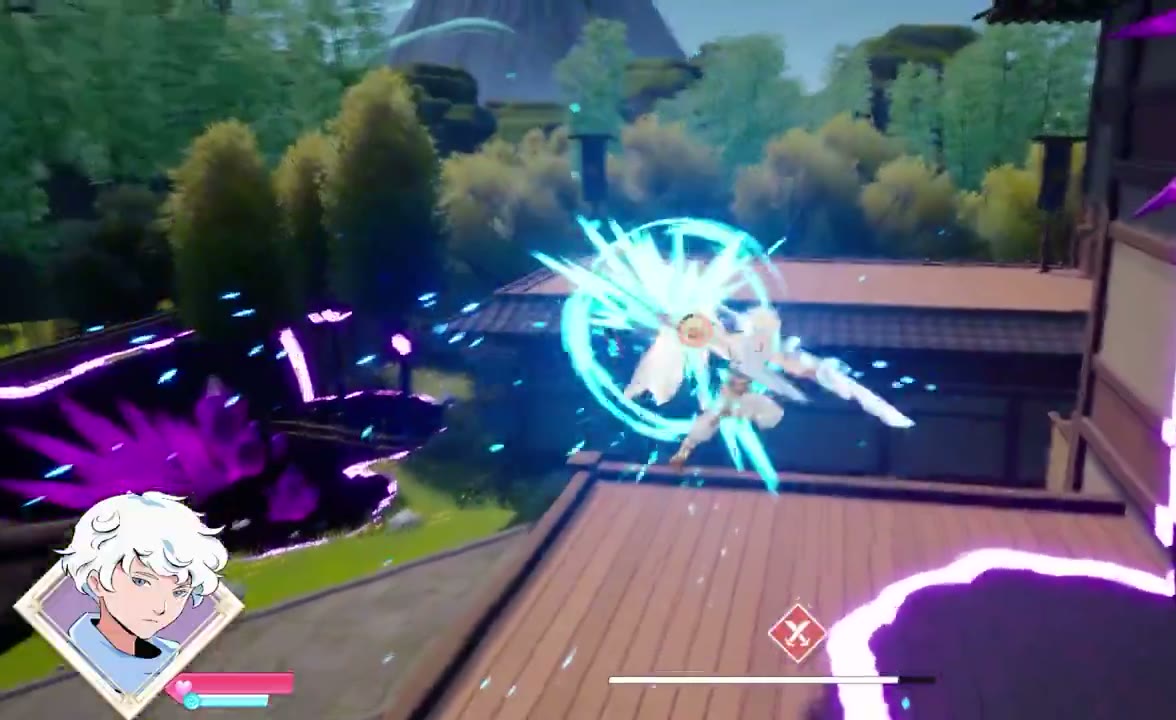
The Eyes of the Sky developer posted 93 seconds of himself getting hit. What the frames show about attack warnings and damage feedback, and why difficulty should be tuned from damage logs and fresh players, not from the developer's own hands.
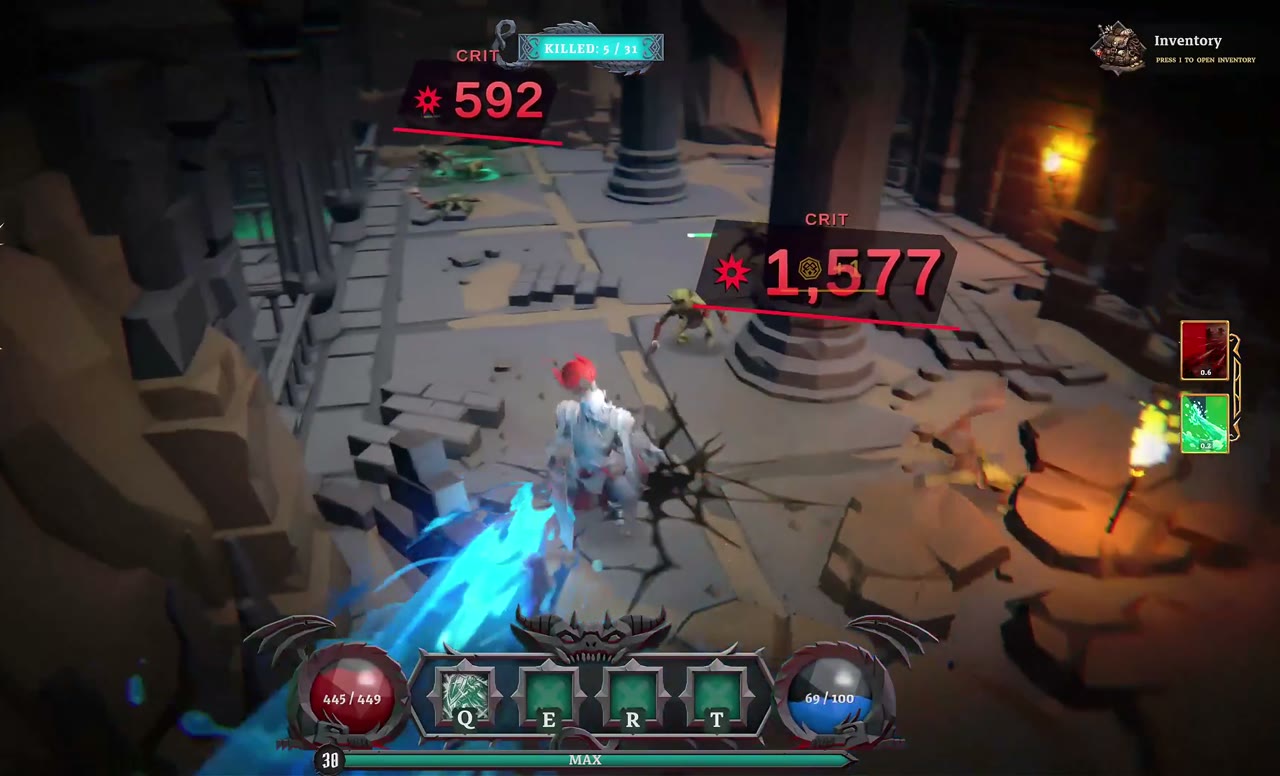
An indie action roguelike rebuilt its damage numbers into four distinct tiers: normal, big, crit and element reaction. Here's the tier logic, and how to build and tune the same system with an AI coding model.
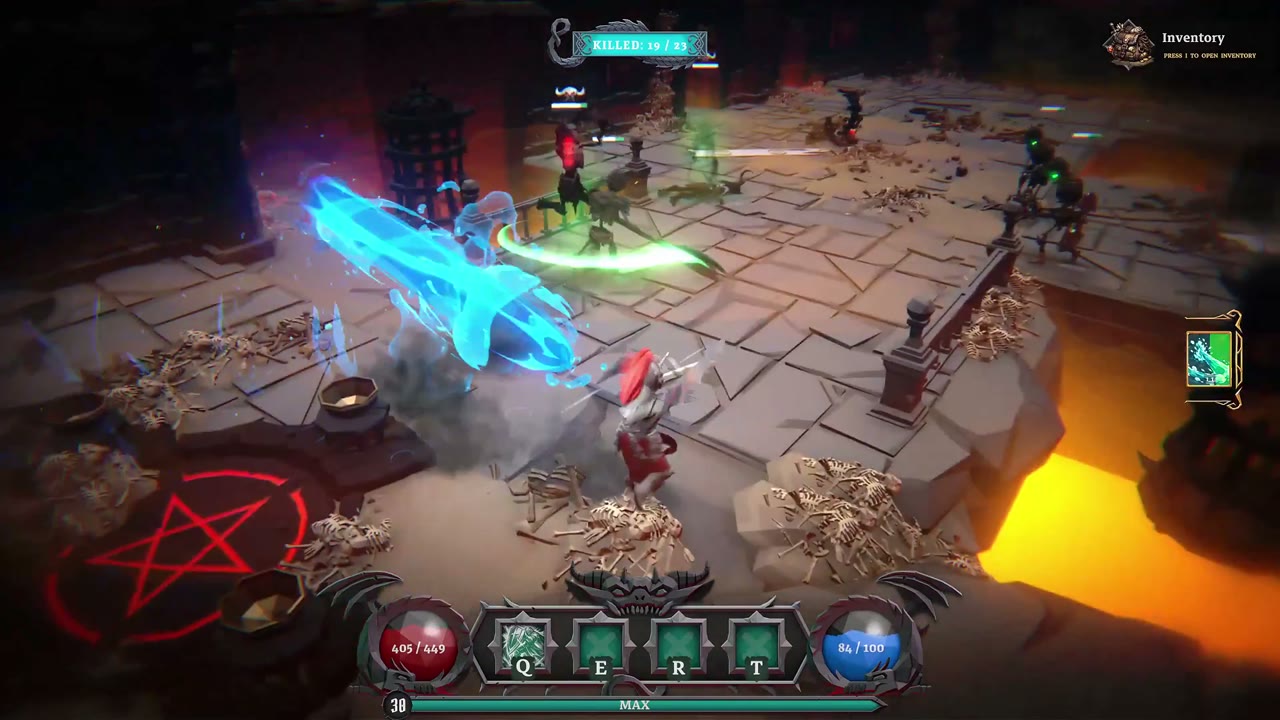
An indie action roguelike plays a burst build and a control build through the same 23-enemy room. Here's why that comparison works, and how to run it with an AI coding model logging the numbers.
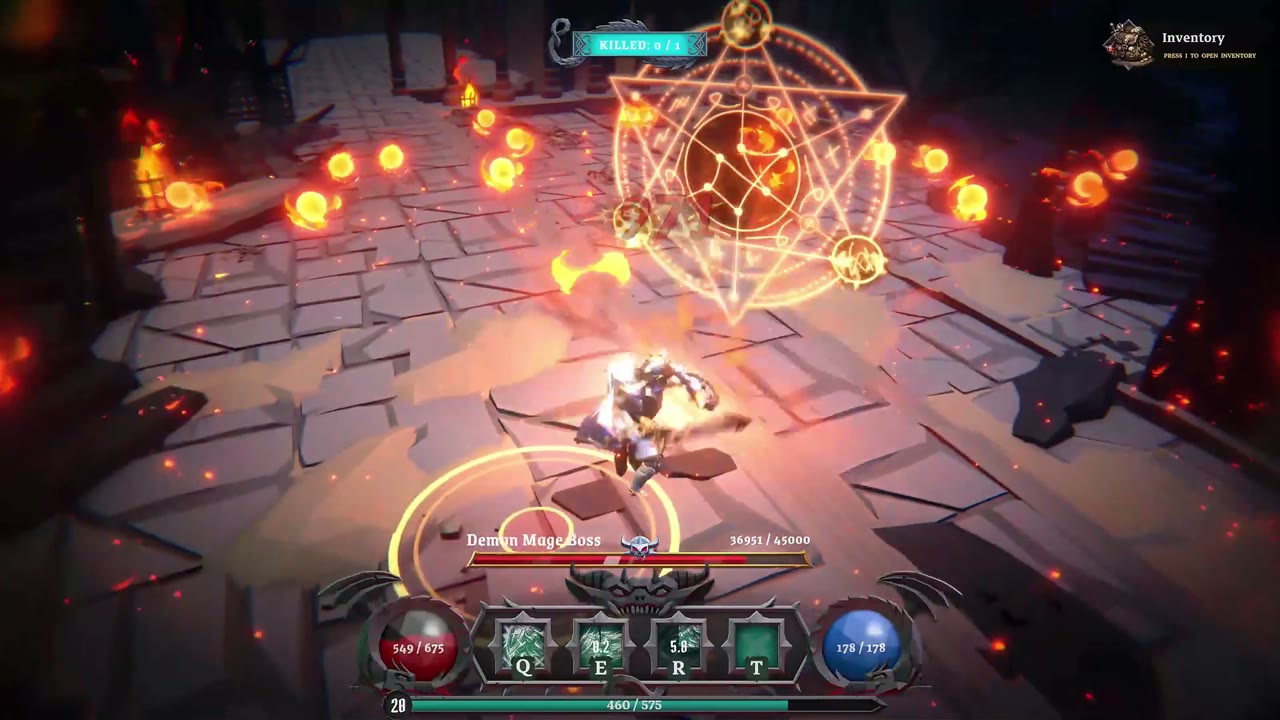
The new boss in an indie action roguelike marks its hits with red ground circles and rings the arena with fire orbs. Here's the attack rhythm, the HP budget, and how to build a tunable boss state machine with an AI coding model.
An indie action roguelike adds co-op: two heroes clear rooms, pick loot and fight big enemies, with a debug panel showing room and player count. Here's the structure, and how to add co-op one feature at a time with an AI coding model.
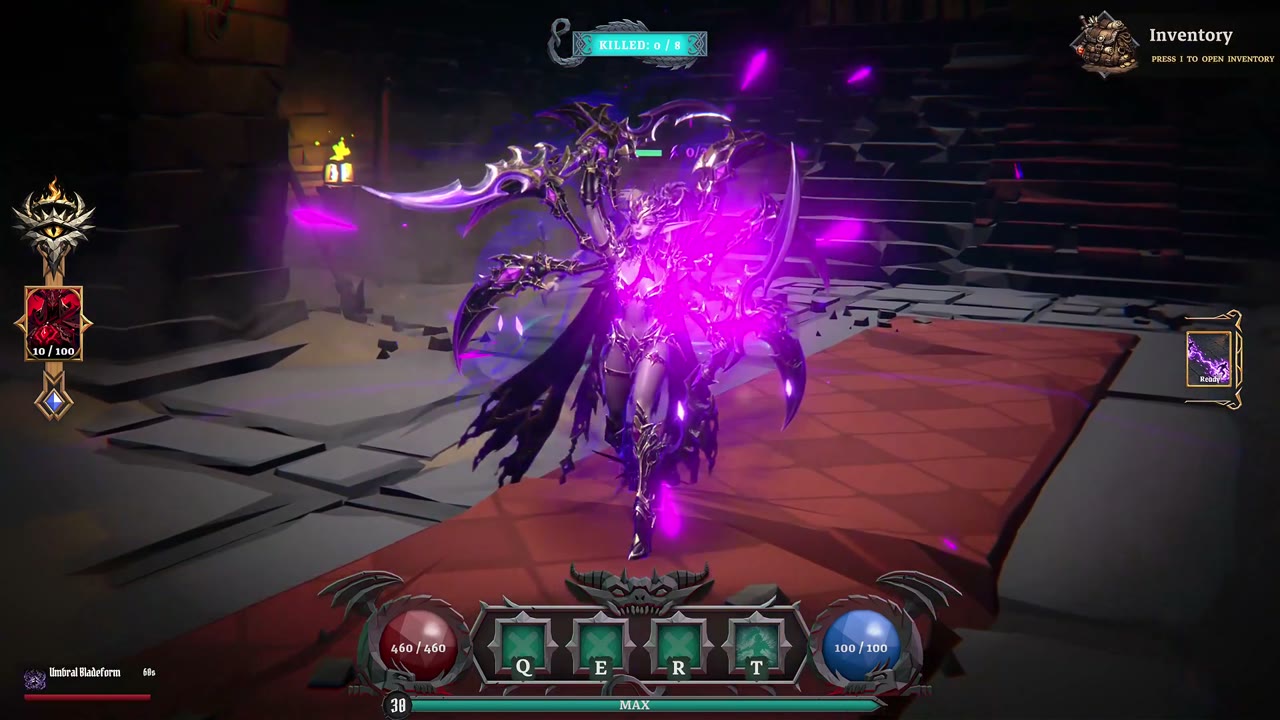
An indie action roguelike's archer turns into a Dark Elf inside a burst of purple shards, with a 60-second timer. Here's the swap, the timer and the palette, and how to build the form as a clean enter/exit state with an AI coding model.
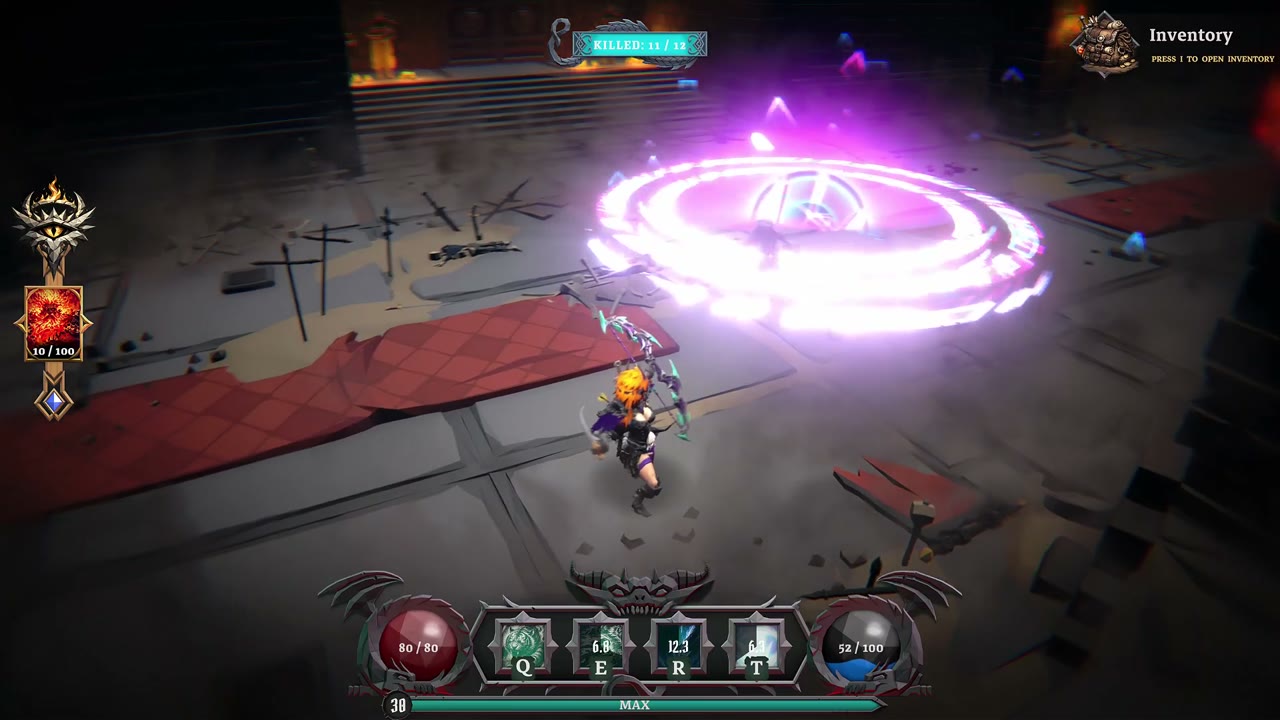
An indie action roguelike's archer pulls enemies into one spot with Gravity Shot, then wipes them with Lunar Beam. Here's how a setup-and-payoff combo works, and how to measure and tune it with an AI coding model.
An indie character-action game answers an X trend with four lines of dare copy and an 86-second gameplay cut. How the copy is written, how each line gets a shot, and what the order and length cost it.
An indie action game's entry in the 32-second promo trend: day, purple night and a dark courtyard, one in-game-style banner, one shatter transition. The structure, and what the missing end card costs.
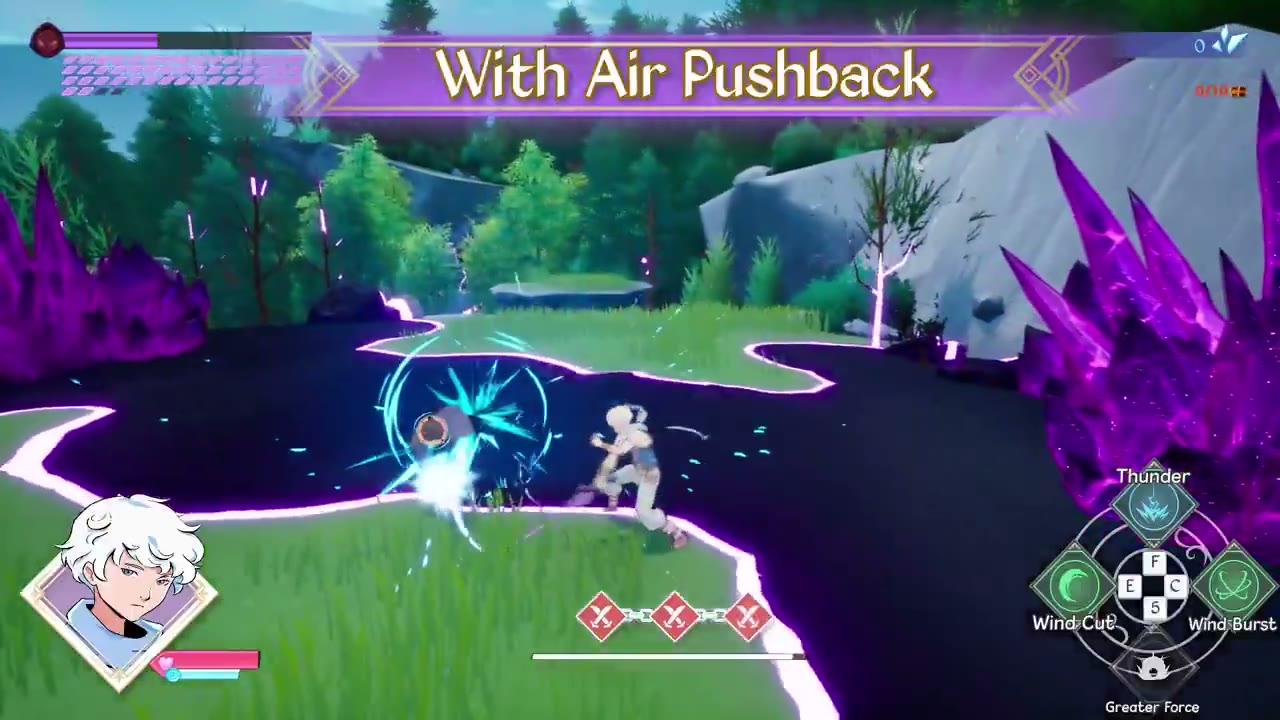
Testers told Eyes of the Sky its air combos felt static, so the developer recorded the same fight with and without pushback and asked X to pick. How to capture a one-variable comparison, how pushback is usually built, and where labels and walls get in the way.
When players build their own combos, every attack has to flow into every other one. From a 10-second editor clip: how many transitions that means, why stance is the real variable, and how an AI model can test every pair.
A follower suggested grenades; the developer answered with an 8-second clip and one rule: bombs work, but they are scarce and come from three sources. The design logic, and how to hand it to an AI coding model.
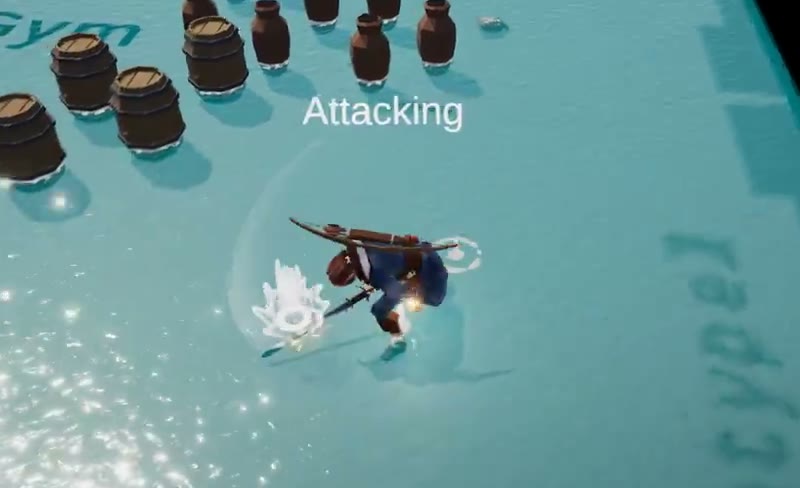
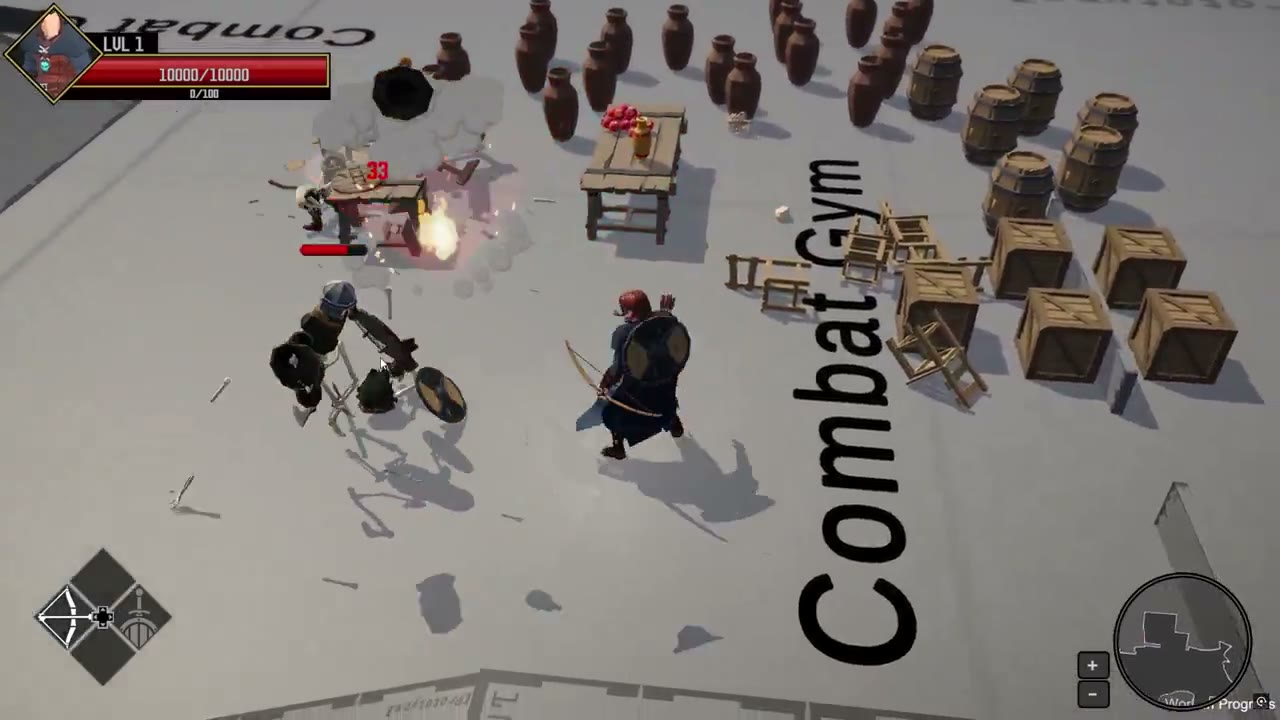
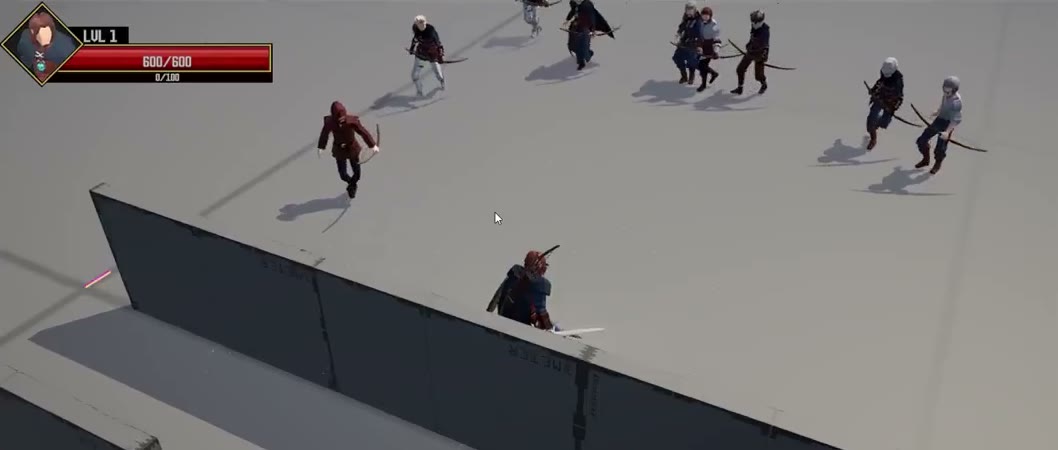
A 9-second Unity editor capture: 600 health points gone to a squad of archers in about 0.6 seconds. The useful habit behind the joke: a grey-box gym, time-to-kill, state logs, and test scripts an AI model can write.
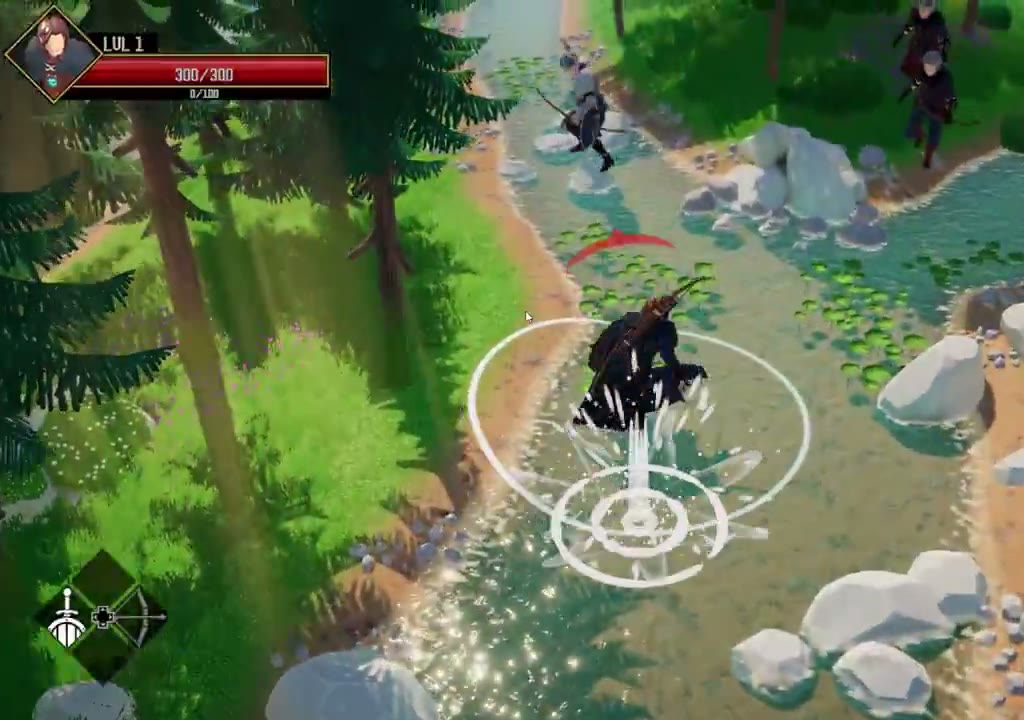
In 8.6 seconds the hero jumps into a forest stream and goes down under a volley of arrows. The meme doubles as a clear death-feedback chain: direction, damage, cause, pause, verdict, fade, and how to have an AI model write it as one script.