A 9-year-old asks an app how he'll look at 100: the reveal hidden in a dinosaur hood
From the OpenDrama Create Wiki
A boy in a dinosaur onesie lies on the carpet with his mum, laughing at an aging app as it shows him at 40, 60, 100. Then he gets up and plays a 100-year-old with an umbrella for a cane. Burak Tuyan's 33-second film isn't a brand ad: it's a Childhood Cancer Awareness Month spot, and it got nearly 130,000 views. The whole trick rests on one image: the shot that makes you laugh is the reveal.
Members read on
The rest of this page is for members
- 4 more steps
- 4 more sections
Create a free account, top up once — from $0.99 — and the whole wiki is yours.
- Every breakdown, Skill and Prompt
- New pages every day
- Prompts copy in one tap
Tags:#Ads#Short drama#Character consistency#Cinematography
Written by the OpenDrama editors from a public post. Stills are quoted from the original video for commentary; tools, settings and steps are our own reconstruction. All rights in the original work stay with its creator — ask us and we take a still down.
Skills and prompts in this breakdown
More in Video
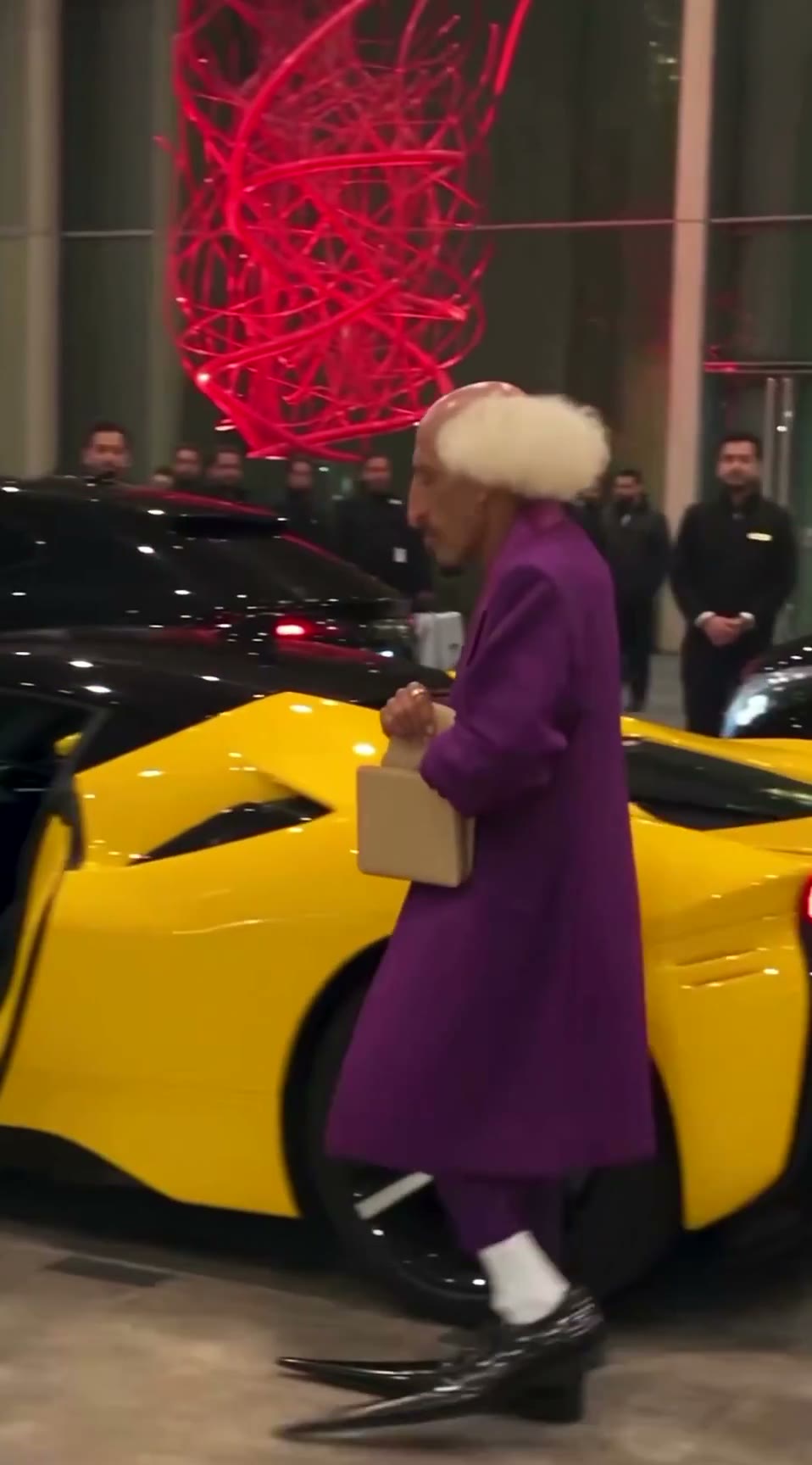
View all →The AI grandpa in a purple suit: how a recurring AI character clip is built to travel
A 19-second viral “AI grandpa” clip: how the character is locked by silhouette, shot as fake phone footage and cut to one late gag, and why retakes are the real cost.
Trailer shot list: from game description to timed beats
A fill-in prompt that turns a description of your game into a trailer shot list: timecodes on the beat grid, gameplay or camera for each shot, captions, music cues and a capture checklist.
Keyframe image-to-video: start/end frames and chaining
Build AI video from designed stills instead of text: start and end frames, 5–10 s clips chained into a sequence with identity and light held steady, the best takes picked, then upscaled and interpolated.
Blender whitebox as a shot plan: lock layout and camera before you roll AI video
Sac has been driving AI video with Blender gray-box renders to cut rerolls. His side-by-side shows why: one prompt, two models, two different stagings. How the whitebox route works.