A little ghost on rainy water: a Three.js cloth shader, designed by GPT 6 Astra, coded by Opus 5.5
From the OpenDrama Create Wiki
A little white-sheet ghost holds a lantern on black, rain-hit water, with a row of warm lights blurred in the distance. In Chetan Ankola's 28-second video, the design comes from GPT 6 Astra and the Three.js code from Claude Opus 5.5, and it runs in the browser. He points out two things himself: the cloth shader is "decent", and the water is reused from his previous piece.
How it was made
- 01GPT 6 Astracharacter and look
- 02Opus 5.5Three.js code
- 03Clothvertex animation
- 04Interactiontap, tug, drag
- The character is minimal: a domed white sheet, two black eyes, a touch of blush, no legs.
- The cloth is the point. The hem and the two "sleeves" swing with every move and trail back when it flies.
- A line at the bottom lists five actions: tap the ghost, tug its hem, drag the bottle, tap the cork, tap the water.
- The water is reused: small sparkles, raindrops, distant lights reflected on the surface.
The details that matter
- One lamp lights the scene. The bottle lantern is the only warm light; it catches one side of the ghost and everything else stays cold and dark.
- The background is just bokeh. A row of soft, defocused lights says "shore" without modelling anything.
- Lit and unlit states. In some frames the lantern is dark and the ghost turns cold grey. We guess tapping the cork switches it.

Where it breaks
- Cloth that's too soft reads as jelly. Let the swing grow with distance from the top, and keep the head almost still.
- An all-black scene turns to mush. Protect the water highlights and the rain streaks.

Try it yourself
Set up the rain and water with the Three.js scene starter, then place one key light and the bokeh with the Three.js cinematic look[1].
References
- Chetan Ankola's original post x.com/chetanankola/status/2110225806849122363
Tags:#Three.js#Shaders#Vibe coding#Lighting#GPT#WebGL
Written by the OpenDrama editors from a public post. Stills are quoted from the original video for commentary; tools, settings and steps are our own reconstruction. All rights in the original work stay with its creator — ask us and we take a still down.
Skills and prompts in this breakdown
More in 3D
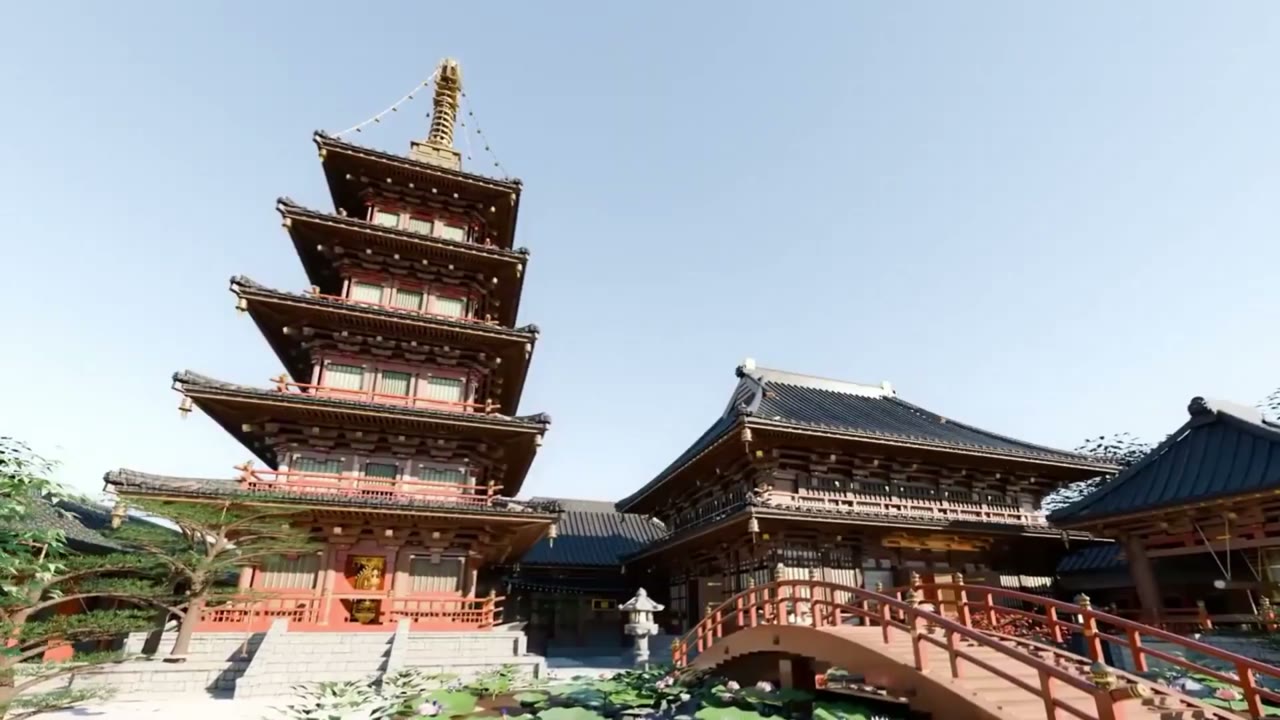
View all →One prompt, four agents and a critic: Gemini 4 Argon builds a Japanese temple in Blender
Gemini 4 Argon in Antigravity built a Japanese temple complex with a five-storey pagoda in Blender from one prompt. We unpack that prompt: a skill doc, blueprints, Nano Banana references, four specialist subagents and a critic.
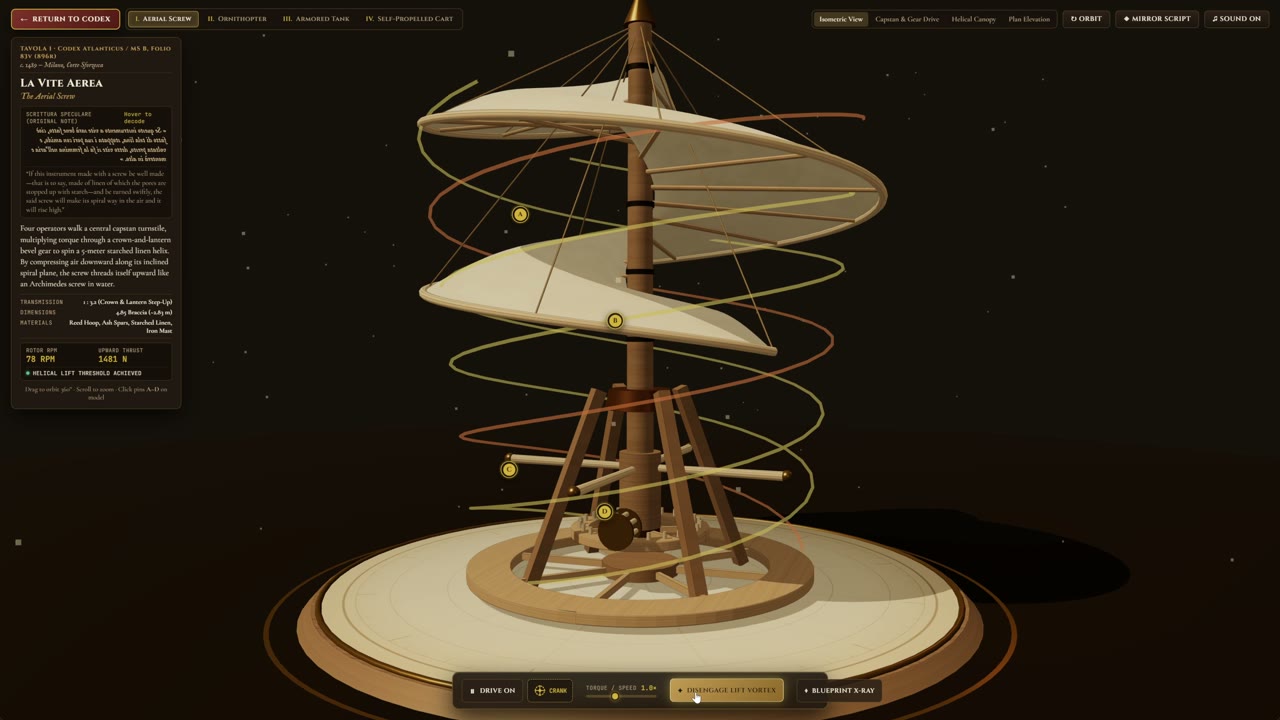
Same prompt, new result: Gemini 4 Argon builds a da Vinci workshop in Antigravity
maxescu re-ran @techhalla's exact Gemini 4 Argon vs Opus 5.5 prompt in Antigravity and got a four-machine da Vinci museum. How the scene is built, and why one run per model proves little.
Blender MCP build rules: a project prompt for agents
A paste-in project prompt for an agent building in Blender over MCP: units, grid, naming, style rules from your references, re-runnable code and a self-check loop with fixed-camera renders, plus companion prompts for drafting rules and running a checker agent.
Building Blender scenes with an AI agent over MCP
How to let a coding agent drive Blender through an MCP server: setup, building rules and references, self-checks with fixed-camera renders, splitting work between agents, and keeping the scene editable.
Blender to the web: a glTF pipeline for Three.js and Unity
The export recipe for getting Blender scenes into browser games as small, fast GLB files: phone and desktop budgets for triangles and draw calls, baking, texture sizes, Draco/Meshopt/KTX2 trade-offs, naming, colliders and LODs.
Image-to-3D assets: from concept image to game-ready model
The full path from one concept image to a game-ready 3D model with Tripo, Meshy, Rodin or Hunyuan3D: input image rules, picking candidates, decimation and retopology budgets, UV and texture fixes, scale, pivot and export.