Create Wiki/Breakdowns/AI games
An anti-gravity racer in two days: three cups, online lobbies, cars made by players' AI
From the OpenDrama Create Wiki
F-Zero X was Stefan Vaskevich's favourite game as a kid. With AI he rebuilt it from scratch in two days as ZERO-G, an anti-gravity racer with three cups, online lobbies, and new cars that players generate with their own AI agents. It was played more than 1,000 times after launch. His own take: most AI games stop at a demo, and people actually finished this one.
How it was made
- 01Art directionneon grid, pilots, logos
- 02Image model18 car concepts
- 03Tripo P2concept to 3D car
- 04Web gametracks, feel, online lobbies
- Art direction first: a neon city, grid tracks, plus a set of pilot portraits, logos and sponsor icons.
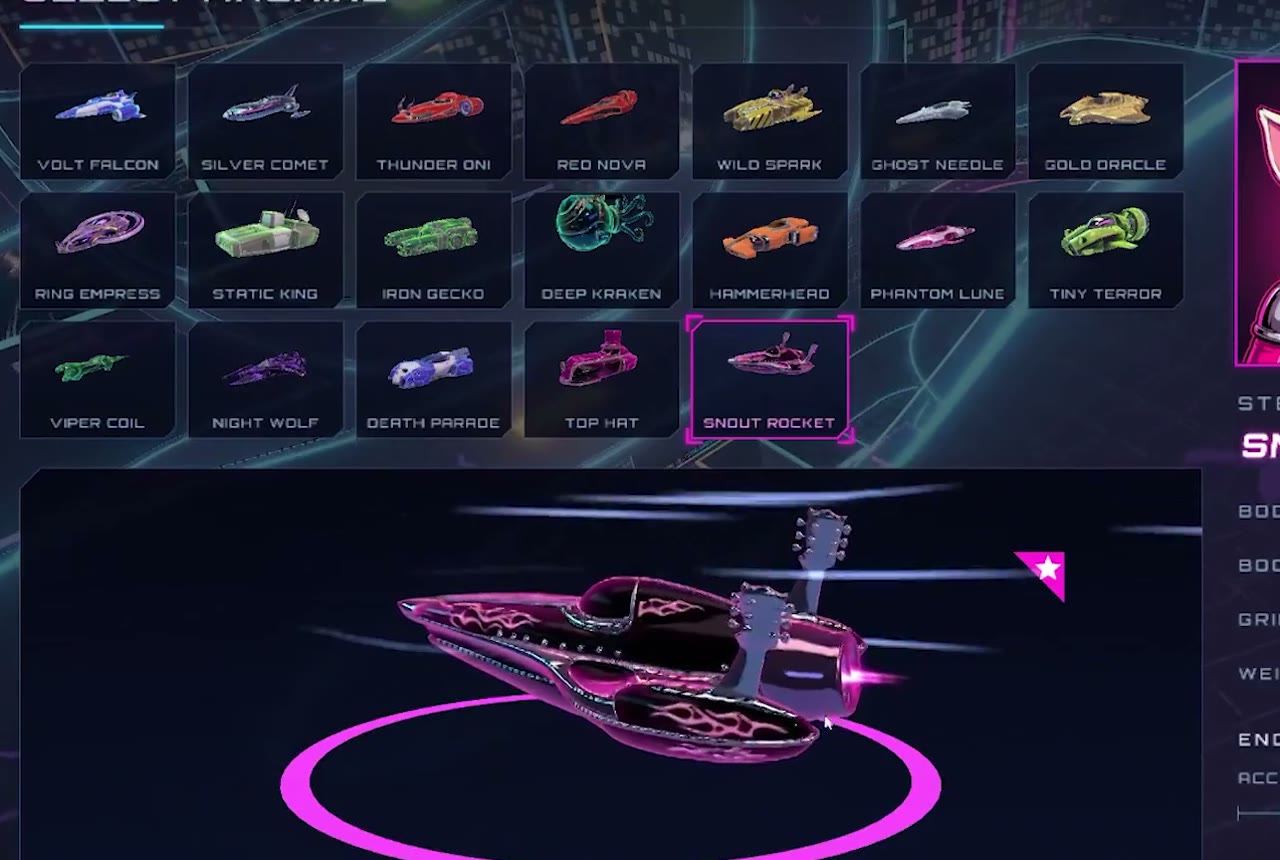
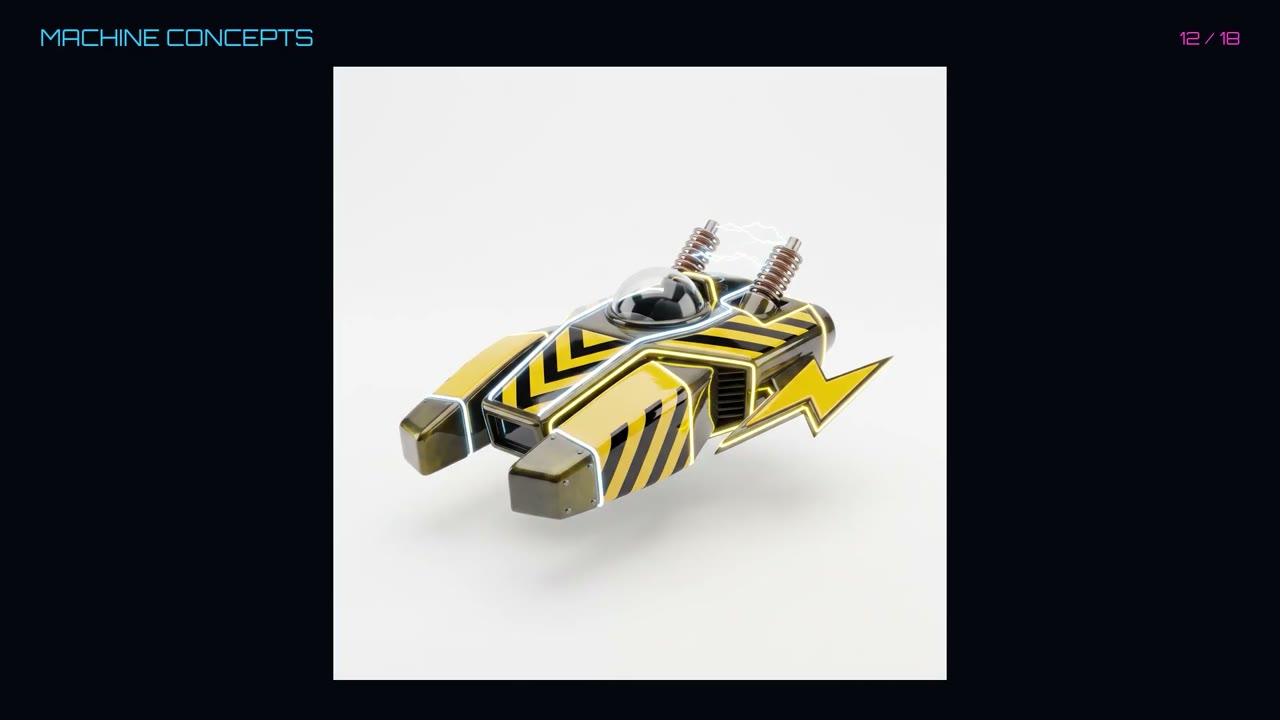
- Each car starts as a concept on a white background; the slides in the video number 18. Tripo P2 turns them into 3D models.
- Tracks start as top-down line drawings before they're built into the game.
- The select screen offers 19 cars, each graded on body, boost and grip, with a weight, plus an engine slider between acceleration and top speed.
The details that matter
- 30 cars per race. The grid is packed from the start, so it feels like a race, not a test drive.
- Speed is a number. The speedometer sits around 1,100–1,500 km/h, with nitro, a flow meter and "ULTRA TURBO" call-outs. The thrill comes from feedback.
- A whole session. A cup is 3 races of 2 laps each, with a start and a finish line, and that's why players reach the end.
Where it breaks
- Tripo cars are dense; decimate them before you put 30 on screen.
- If you rebuild a classic, make the names, tracks and cars your own.
Try it yourself
Draw the concepts with the concept-to-3D prompt, process the models with image-to-3D assets, tune the speed with game feel tuning, and launch with ship a web game[1][2].
References
- Stefan's original post x.com/Stefan_3D_AI/status/2109313833613635717
- The full process on YouTube youtu.be/UDclyyi6zDs
Tags:#Games#Racing games#Tripo#Image-to-3D#Multiplayer#HTML5 games
Written by the OpenDrama editors from a public post. Stills are quoted from the original video for commentary; tools, settings and steps are our own reconstruction. All rights in the original work stay with its creator — ask us and we take a still down.
Skills and prompts in this breakdown
More in AI games
View all →Day 20 of an AI-built strategy game: a stone golem that wakes up, and a tavern
Stefan is building the strategy game he has wanted for 15 years with AI. Day 20 adds a golem that hides as a pile of rocks and a tavern where you hire fighters. We follow the golem from reference images into Unity.
Desk photos to a playable kart racer: Gemini 4 Argon, Blender MCP and Three.js
genevieve__h from Google AI Studio turned photos of her home-office desk into a kart racing game with Gemini 4 Argon, Blender MCP and Three.js. We rebuild the method frame by frame.
One person, 16 days, Opus 5.5: The Little Prince as an explorable 3D game
Sac built a planet-by-planet 3D Little Prince with Opus 5.5, Tripo and Blender, playable in the browser. Here's the asset pipeline and how the scenes are organised.
After going viral: how Sky Reach added a Ring world and multiplayer rooms
Tesana says a user's space game, made with a few prompts, went from 2.5M to over 3M views in just over a week. Here's how it added a Ring world and multiplayer without breaking what already worked.
Lyrio: a 3D exploration game built on movement, made with Opus 5.5 and Three.js
A fox-eared scout runs, launches off Wind Springs and glides between floating islands. We break down how the movement set becomes the whole game, and how the collectibles feed it.
Game design brief: a prompt for a playable prototype
A fill-in brief you paste into a coding model at the start of a game: loop, controls, rules, camera, feel numbers, scope cuts and acceptance tests, plus working rules that make it ask questions first, plan milestones and build one verified step at a time.