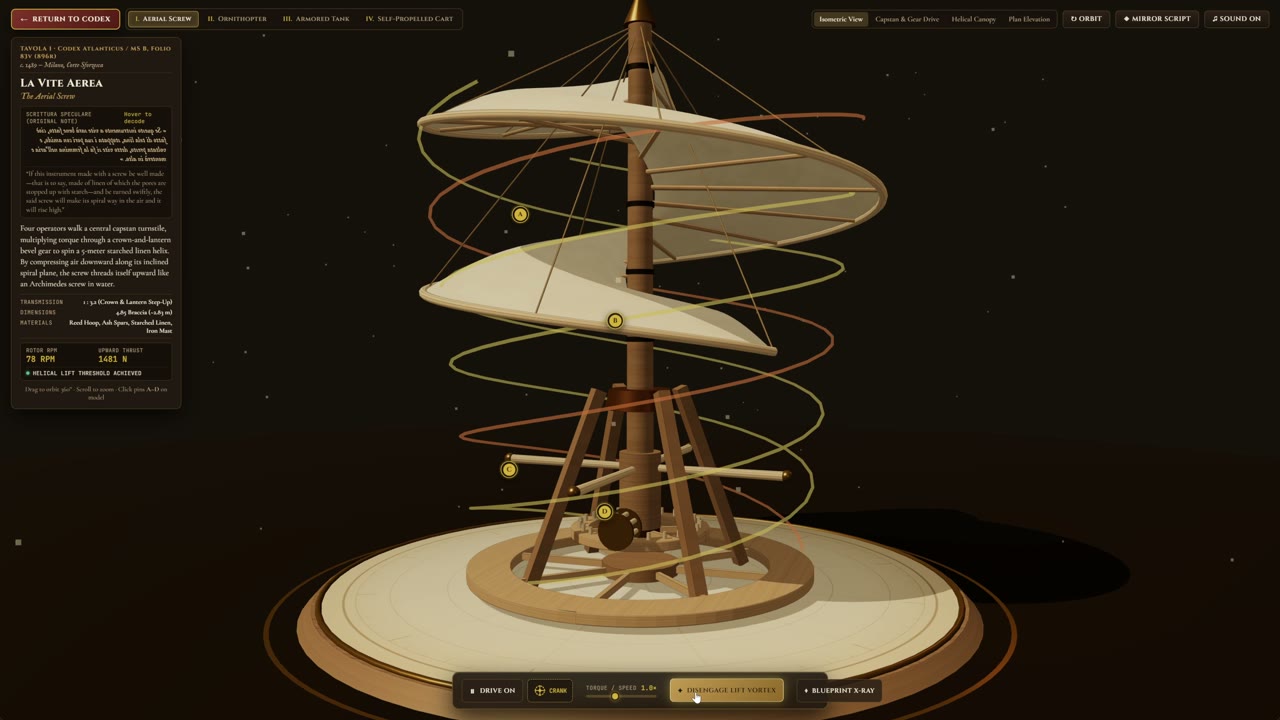
Opus 5.5 vs Gemini 4 Argon, same task: two da Vinci workshops side by side
From the OpenDrama Create Wiki
TechHalla gave Claude Opus 5.5 and Gemini 4 Argon the same task, a Leonardo da Vinci workshop with 3D recreations of his inventions, and cut the results into a 101-second split screen, machine by machine, asking which approach people prefer. We went through it frame by frame: one brief, two very different ideas of a good result.
Members read on
The rest of this page is for members
- 2 more steps
- 4 more sections
Create a free account, top up once — from $0.99 — and the whole wiki is yours.
- Every breakdown, Skill and Prompt
- New pages every day
- Prompts copy in one tap
Tags:#3D#Gemini#Vibe coding#Prompting
Written by the OpenDrama editors from a public post. Stills are quoted from the original video for commentary; tools, settings and steps are our own reconstruction. All rights in the original work stay with its creator — ask us and we take a still down.
Skills and prompts in this breakdown
More in 3D
View all →A little ghost on rainy water: a Three.js cloth shader, designed by GPT 6 Astra, coded by Opus 5.5
Chetan Ankola made a lantern-carrying ghost in the browser: rain, black water, fabric that flutters. GPT 6 Astra did the design, Claude Opus 5.5 wrote the Three.js. We look at the cloth, the light and five small interactions.
One prompt, four agents and a critic: Gemini 4 Argon builds a Japanese temple in Blender
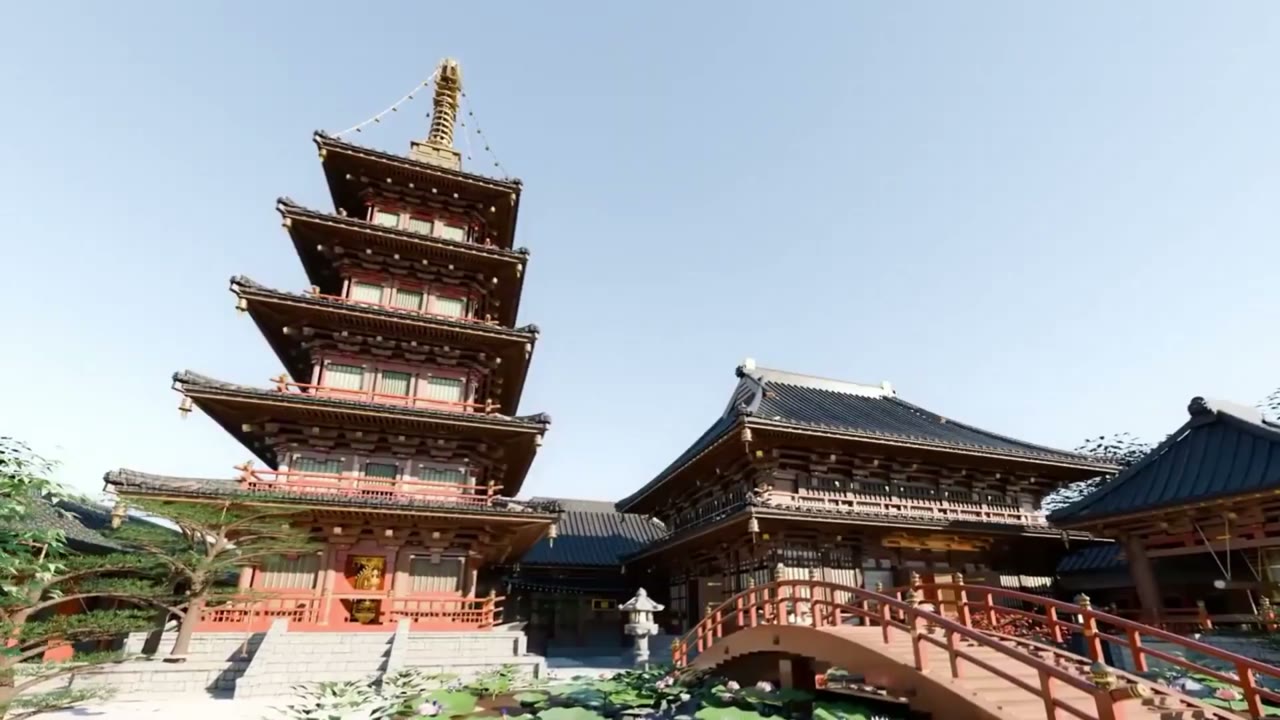
Gemini 4 Argon in Antigravity built a Japanese temple complex with a five-storey pagoda in Blender from one prompt. We unpack that prompt: a skill doc, blueprints, Nano Banana references, four specialist subagents and a critic.
Blender MCP build rules: a project prompt for agents
A paste-in project prompt for an agent building in Blender over MCP: units, grid, naming, style rules from your references, re-runnable code and a self-check loop with fixed-camera renders, plus companion prompts for drafting rules and running a checker agent.
Building Blender scenes with an AI agent over MCP
How to let a coding agent drive Blender through an MCP server: setup, building rules and references, self-checks with fixed-camera renders, splitting work between agents, and keeping the scene editable.
Blender to the web: a glTF pipeline for Three.js and Unity
The export recipe for getting Blender scenes into browser games as small, fast GLB files: phone and desktop budgets for triangles and draw calls, baking, texture sizes, Draco/Meshopt/KTX2 trade-offs, naming, colliders and LODs.
Image-to-3D assets: from concept image to game-ready model
The full path from one concept image to a game-ready 3D model with Tripo, Meshy, Rodin or Hunyuan3D: input image rules, picking candidates, decimation and retopology budgets, UV and texture fixes, scale, pivot and export.