Photo to playable level: turning your desk into a race track
From the OpenDrama Create Wiki
You photograph your desk, and a week later a toy car is racing across it: around the keyboard, up a ramp made of two books, through the tunnel under the monitor stand. The photos give you layout, proportions and real materials for free. They don't give you clean geometry, collision, a track or game-friendly lighting. This page covers that gap with the desk racer as the running example: capture, scale reference, blockout, props (modelled, generated or scanned), collisions and the racing line, and lighting that keeps the photo look instead of drifting into generic CG.
When to use it
It fits when the premise is "a real place, seen at an unusual size": a desk racer, a kitchen-counter platformer, a bookshelf climb, your own street as a top-down chase. Real places carry things that are hard to invent (wear, clutter, odd proportions), players recognise them instantly, and that recognition is the hook. It also works without a concept artist: the photos are your concept art.
It's the wrong tool for large spaces (a whole building is weeks of capture), for stylised games where photo textures clash with everything else, and for places dominated by glass, screens, chrome or blank walls, which photogrammetry can't reconstruct. A desk is close to ideal: small, measurable in ten minutes, full of distinct objects, and you control the light.
Three decisions come first:
- Game scale. Physics engines are tuned for objects roughly 0.1–10 m in size. An 8 cm toy car at real scale jitters and falls through thin objects, so scale the world up. For a desk, ×50 (1 cm real = 0.5 m in game) puts the car at about 4 m.
- Where each prop comes from. Model it (boxy, hard-surface objects), generate it from a photo with image-to-3D (irregular or organic objects), or scan it with photogrammetry (surfaces where the real wear is the point). Most levels mix all three.
- How real. Photo-exact (scanned textures, matched lighting) or photo-faithful (real layout, proportions and palette with clean materials). The second is cheaper and ages better.
Kit: a phone, a tape measure, an A4 sheet or a ruler, Blender, an engine (Three.js, Unity, Godot), optionally a photogrammetry app (Polycam, RealityScan) and an image-to-3D tool (Tripo, Meshy).
Members read on
The rest of this page is for members
- 10 more steps
- 2 reference tables
- 6 more sections
Create a free account, top up once — from $0.99 — and the whole wiki is yours.
- Every breakdown, Skill and Prompt
- New pages every day
- Prompts copy in one tap
See also
Breakdowns that use this
More in AI games
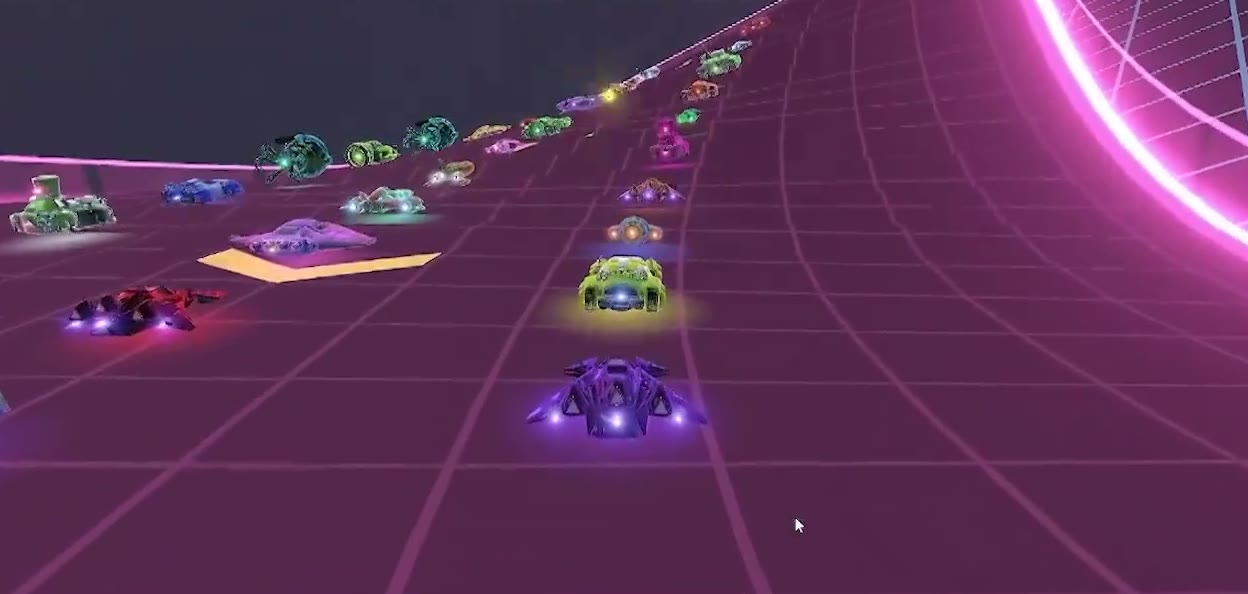
View all →An anti-gravity racer in two days: three cups, online lobbies, cars made by players' AI
Stefan rebuilt his childhood favourite, F-Zero X, as the browser racer ZERO-G with AI in two days, and it was played 1,000+ times. Here's the asset pipeline and the design that makes people finish a race.
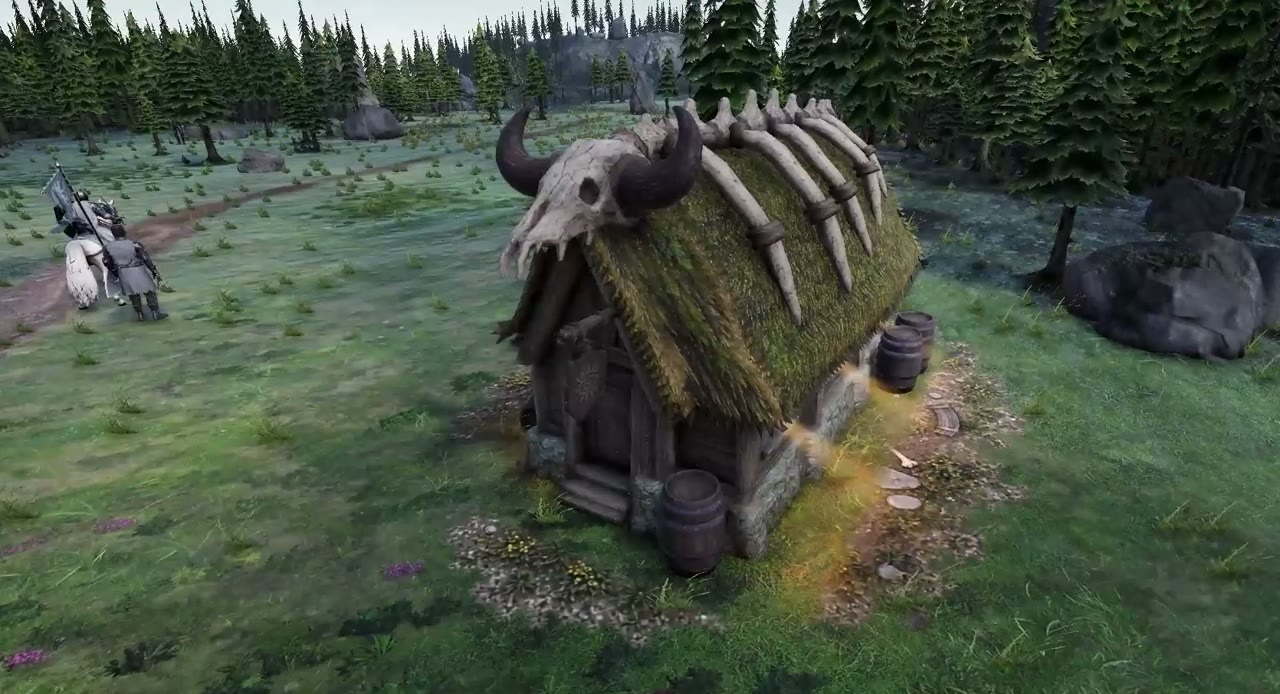
Day 20 of an AI-built strategy game: a stone golem that wakes up, and a tavern
Stefan is building the strategy game he has wanted for 15 years with AI. Day 20 adds a golem that hides as a pile of rocks and a tavern where you hire fighters. We follow the golem from reference images into Unity.
Desk photos to a playable kart racer: Gemini 4 Argon, Blender MCP and Three.js
genevieve__h from Google AI Studio turned photos of her home-office desk into a kart racing game with Gemini 4 Argon, Blender MCP and Three.js. We rebuild the method frame by frame.
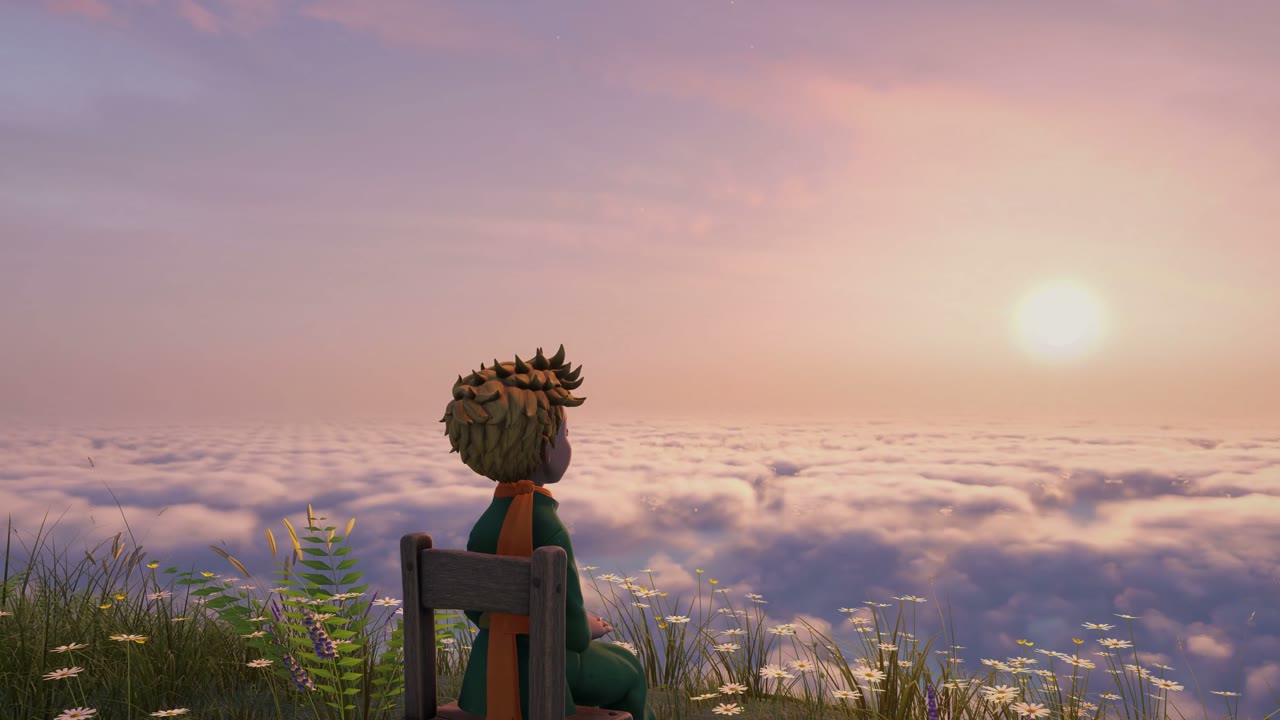
One person, 16 days, Opus 5.5: The Little Prince as an explorable 3D game
Sac built a planet-by-planet 3D Little Prince with Opus 5.5, Tripo and Blender, playable in the browser. Here's the asset pipeline and how the scenes are organised.
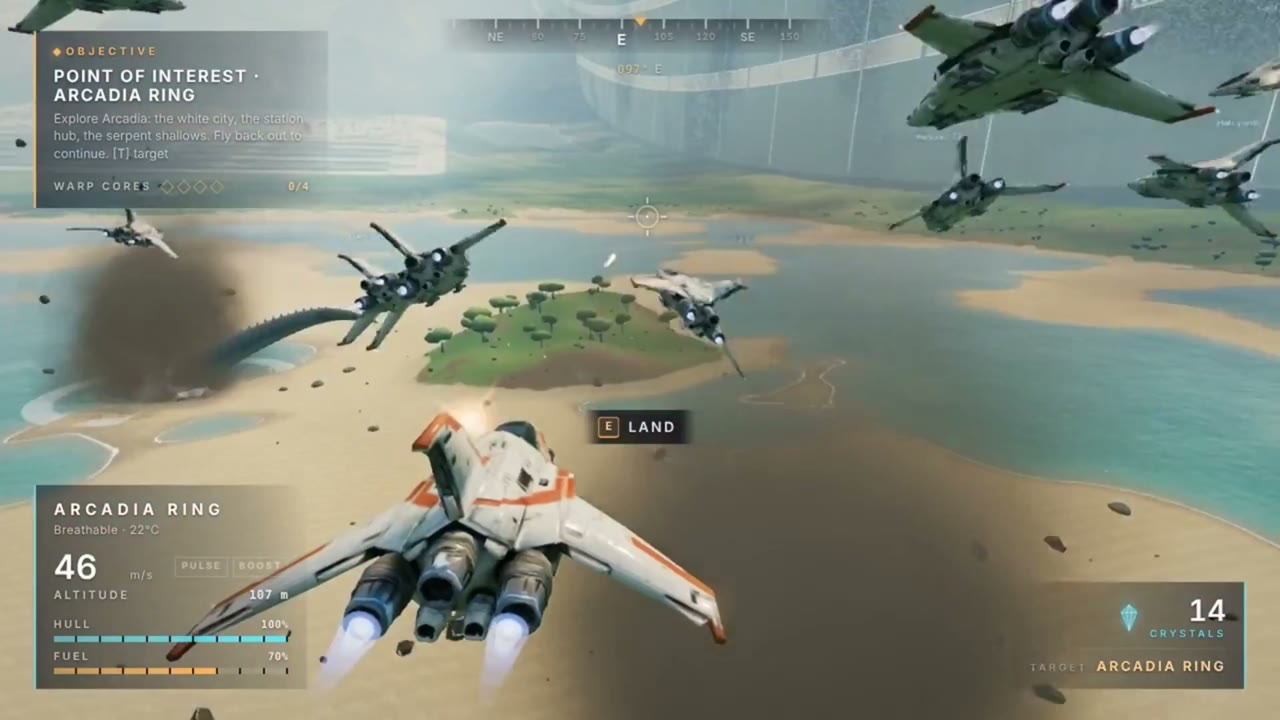
After going viral: how Sky Reach added a Ring world and multiplayer rooms
Tesana says a user's space game, made with a few prompts, went from 2.5M to over 3M views in just over a week. Here's how it added a Ring world and multiplayer without breaking what already worked.
Lyrio: a 3D exploration game built on movement, made with Opus 5.5 and Three.js
A fox-eared scout runs, launches off Wind Springs and glides between floating islands. We break down how the movement set becomes the whole game, and how the collectibles feed it.